
Canada study permit changes 2026: Higher funds, tighter scrutiny and new rules for students
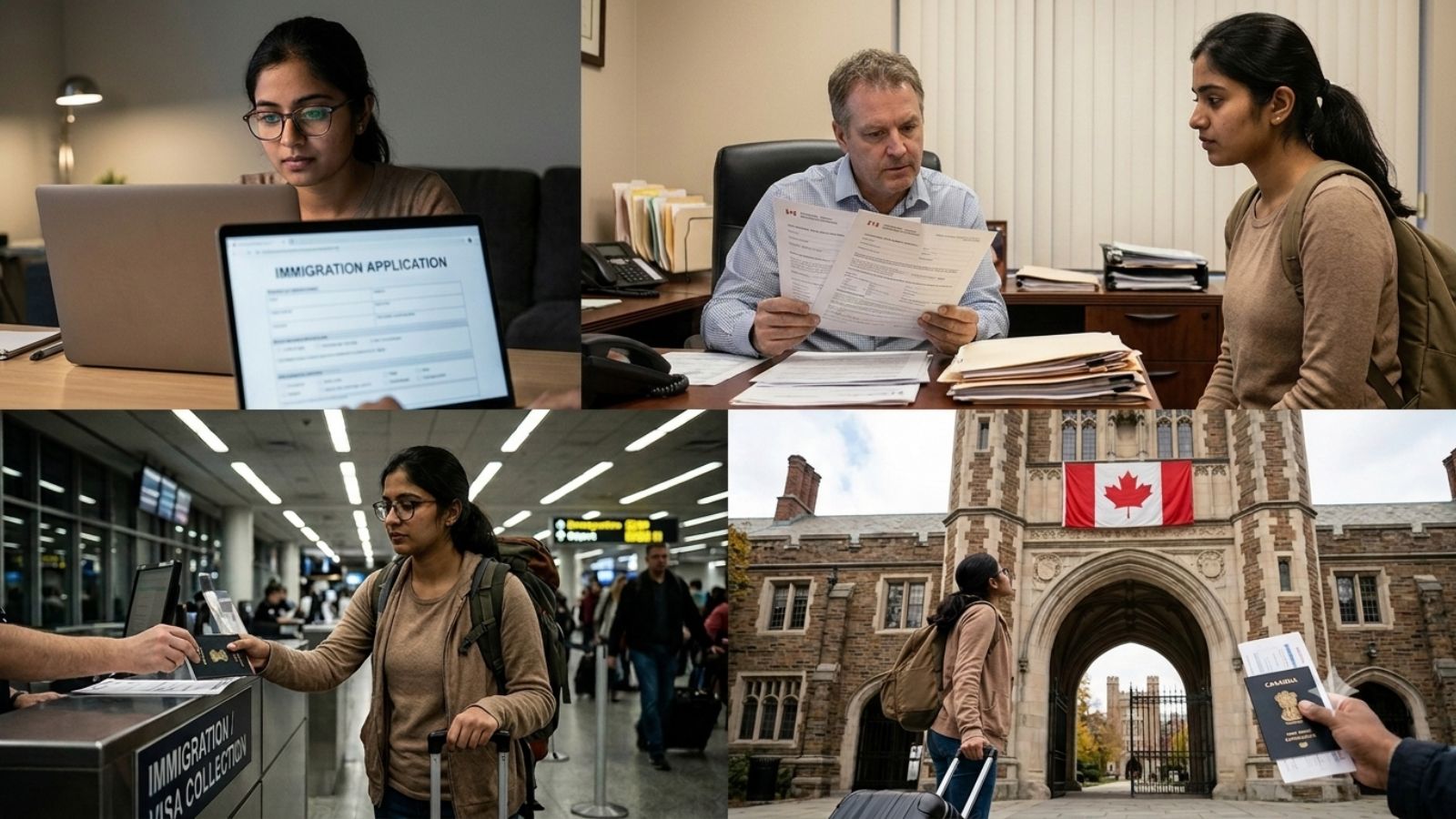
10866719 canada immigration sept 2026 changes
- ✓10866719 canada immigration sept 2026 changes
- ✓Canada has introduced another change for international students from September 1, 2026, with the amount applicants must show for living expenses increasing.
- ✓The amount was C$22,895 from September 1, 2025.
- ✓For example, a family of three must show C$35,888.
Canada has introduced another change for international students from September 1, 2026, with the amount applicants must show for living expenses increasing. The latest requirement is part of a wider tightening of Canada's International Student Program, which in 2026 includes lower student targets, provincial allocations, stronger verification of admission documents and changes to work authorisations.
For study permit applications submitted on or after September 1, 2026, a single student applying to a province or territory outside Quebec must show C$23,448 for living expenses, excluding tuition and transportation. The amount was C$22,895 from September 1, 2025.
The requirement rises with family size. For example, a family of three must show C$35,888. Also Read | Canada says 'best time ever' for Indian students to apply, but numbers tell a different story The distinction matters: the 155,000 figure is an arrivals target, while the 180,000 figure concerns study permits under the allocation system.
Most international students now need a Provincial Attestation Letter (PAL) or Territorial Attestation Letter (TAL) before applying for a study permit. The document confirms that there is space for the student within the province or territory's allocation.
It is generally obtained through the designated learning institution after accepting an offer and, in most cases, paying tuition. For students, this means admission to a Canadian institution does not by itself guarantee that a study permit application can proceed.
IRCC is also strengthening checks against fraudulent letters of acceptance. A new centralised function is being expanded to verify cases where the Letter of Acceptance verification produces a “no match”. Such cases can trigger procedural fairness processes and potentially refusal for misrepresentation.
IRCC's implementation plan targets an expanded verification function by September 30, 2026. The broader implication is that students and institutions can expect closer scrutiny of admission documentation and greater consequences where information cannot be verified.
Also Read | Canada rolls out major visa, work permit, and student rule changes from June 1 Post-Graduation Work Permit rules continue to link eligibility more closely with language proficiency and, for many non-degree programmes, eligible fields of study.
IRCC has confirmed that no fields will be added or removed from the PGWP field-of-study list during 2026. For prospective students, the message from the 2026 changes is therefore mixed: Canada continues to offer a route to study and work, but the system is becoming more controlled.
Financial preparedness, a verified admission, the correct attestation and careful selection of a PGWP-eligible programme are increasingly important before applying.
- •Aspirants and citizens are advised to monitor official notices and circulars issued by Indian Express Education.
- •Verify all prescribed eligibility criteria, cutoff dates, and authenticated document requirements prior to formal submissions.
- •Track connected examination timetables, vacancy advisories, and administrative gazettes on SuchnaSetu.
| Issuing Authority | Indian Express Education |
|---|---|
| Topic Category | EDUCATION |
| Jurisdiction | All India / National |
| Publication Date | 7 September 2026 |